
If you’ve noticed your temperature gauge climbing higher than normal, steam coming from under the bonnet, or a warning light appearing on your dashboard, you may be asking yourself, “Why is my luxury car overheating?” Engine overheating is one of the most serious problems a vehicle owner can experience. Left untreated, excessive heat can damage the engine, warp cylinder heads, blow the head gasket, and lead to costly repairs.
Modern luxury vehicles are built with advanced cooling systems to keep high-performance engines operating at the correct temperature. Whether you drive a Bugatti, McLaren, Mercedes, Genesis, Infiniti, Lincoln, Volvo, MINI, Volkswagen, Audi, BMW, Bentley, Porsche, Range Rover, McLaren, Rolls Royce, Suzuki, Kia Stinger, Hummer, or Land Rover, every component in the cooling system must work together efficiently.
At Auto Doctor, our certified technicians specialise in diagnosing overheating issues using advanced diagnostic equipment and manufacturer-approved repair procedures. From coolant leaks and radiator repairs to thermostat replacement and complete cooling system diagnostics, we help luxury vehicle owners across Dubai keep their engines running safely and efficiently.
What Is Engine Overheating?
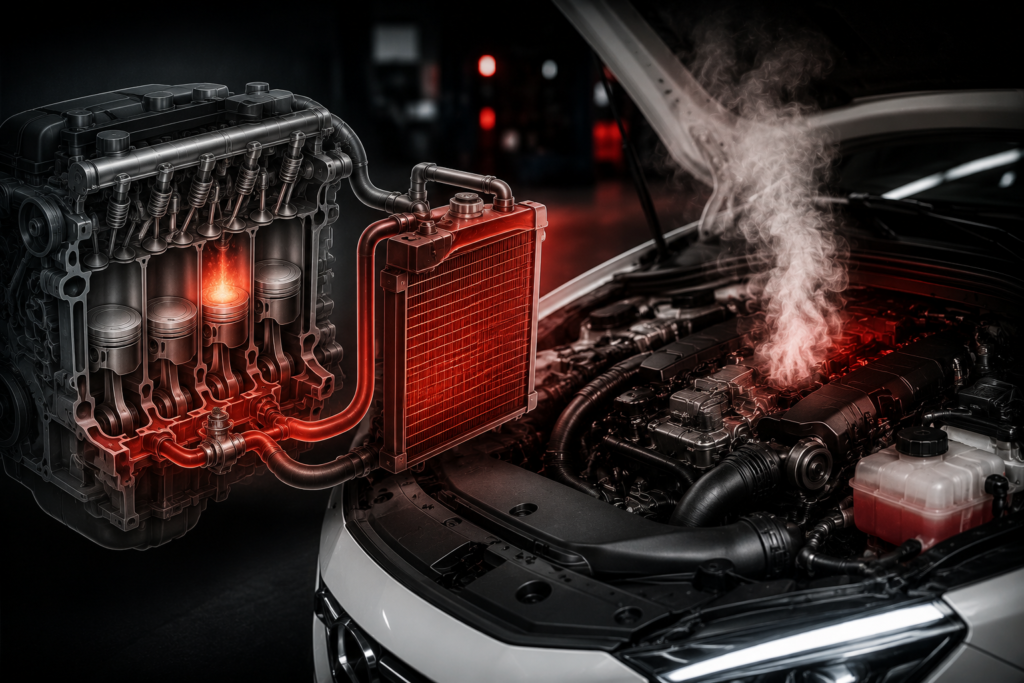
Engine overheating occurs when the engine’s operating temperature rises beyond its normal range because the cooling system can no longer remove heat effectively.
During normal operation, the combustion process generates enormous heat. The cooling system circulates coolant through the engine, radiator, thermostat, water pump, and cooling fan to regulate temperature. If any part of this system fails, heat builds up rapidly and the engine begins to overheat.
Common warning signs include:
- Rising temperature gauge
- Engine overheating warning light
- Steam from the engine bay
- Coolant leaks
- Sweet smell from leaking coolant
- Reduced engine performance
- Air conditioning stops cooling properly
- Engine knocking or pinging
Ignoring these symptoms can result in severe engine damage.
Why Luxury Car Overheating Matters
Luxury engines are engineered with tight tolerances and advanced materials that deliver exceptional performance. However, these engines are also more sensitive to excessive heat.
Driving an overheating vehicle can cause:
- Head gasket failure
- Warped cylinder heads
- Cracked engine block
- Turbocharger damage
- Damaged pistons
- Engine seizure
- Expensive engine rebuilds
Stopping the vehicle and arranging professional diagnostics as soon as overheating occurs can prevent thousands of dirhams in repair costs.
Key Benefits of Fixing Overheating Early
Repairing an overheating problem promptly offers several advantages:
- Protects the engine from permanent damage
- Restores cooling system efficiency
- Improves engine performance
- Prevents roadside breakdowns
- Extends engine lifespan
- Reduces repair costs
- Improves fuel efficiency
- Protects turbochargers and engine components
- Maintains vehicle reliability
- Preserves resale value
Common Problems and Challenges
Several cooling system faults can cause overheating.
Low Coolant Level
Coolant absorbs and transfers heat away from the engine. Low coolant levels caused by leaks or poor maintenance are among the most common reasons engines overheat.
Radiator Problems
Blocked radiator cores, corrosion, damaged fins, or external debris reduce airflow and prevent heat from escaping efficiently.
Faulty Thermostat
A thermostat regulates coolant flow. If it becomes stuck closed, coolant cannot circulate properly, causing rapid overheating.
Water Pump Failure
The water pump circulates coolant through the engine.
Signs of failure include:
- Coolant leaks
- Grinding noises
- Engine overheating
- Poor heater performance
Cooling Fan Failure
Electric cooling fans improve airflow through the radiator, especially in slow-moving traffic.
A faulty fan motor, relay, or temperature sensor may allow engine temperatures to rise quickly.
Coolant Leaks
Leaks may occur from:
- Radiator hoses
- Water pump
- Coolant reservoir
- Heater core
- Expansion tank
- Radiator
Even small leaks reduce cooling efficiency.
Head Gasket Failure
A damaged head gasket allows coolant to mix with engine oil or combustion gases.
Common symptoms include:
- White exhaust smoke
- Milky engine oil
- Constant coolant loss
- Engine overheating
Immediate repairs are essential.
Important Factors to Consider
Professional technicians inspect the entire cooling system before replacing parts.
This typically includes:
- Cooling system pressure test
- Radiator inspection
- Water pump testing
- Thermostat operation
- Cooling fan diagnostics
- Coolant quality inspection
- Hose inspection
- Engine temperature monitoring
- ECU diagnostics
- Leak detection
Replacing parts without proper diagnostics may fail to solve the underlying problem.
Best Practices and Expert Recommendations
To help prevent engine overheating:
- Check coolant levels regularly.
- Follow the manufacturer’s service schedule.
- Replace coolant at recommended intervals.
- Repair coolant leaks immediately.
- Replace worn radiator hoses.
- Never ignore the temperature warning light.
- Schedule routine cooling system inspections.
- Avoid driving an overheating vehicle.
- Have the radiator professionally cleaned if required.
- Use the correct manufacturer-approved coolant.
Preventive maintenance significantly reduces the risk of overheating.
Luxury and Premium Vehicle Brands We Diagnose for Overheating
Different manufacturers use different cooling system designs, but every luxury vehicle depends on an efficient cooling system. At Auto Doctor, we diagnose overheating issues across a wide range of premium vehicles.
Bugatti
Bugatti engines generate extraordinary heat. Cooling system failures involving radiators, coolant pumps, or thermostats require immediate specialist attention.
McLaren
McLaren supercars rely on advanced cooling systems. Blocked radiators, coolant leaks, or electric water pump faults can quickly lead to overheating.
Alfa Romeo
Alfa Romeo engines may overheat due to thermostat failures, radiator leaks, or cooling fan problems.
Genesis
Genesis luxury vehicles commonly experience overheating caused by coolant leaks, faulty water pumps, or radiator issues.
Infiniti
Infiniti models may develop cooling problems due to aging hoses, radiator failures, or thermostat malfunctions.
Lincoln
Luxury Lincoln SUVs and sedans require efficient coolant circulation to protect large-capacity engines from excessive heat.
Volvo
Volvo engines often require cooling system inspections for water pump wear, thermostat failures, and coolant expansion tank leaks.
MINI
Turbocharged MINI engines generate significant heat, making coolant quality and radiator performance particularly important.
Volkswagen
Volkswagen vehicles frequently experience overheating caused by water pump failures, thermostat issues, or coolant leaks.
Acura
Acura cooling systems should be inspected regularly to prevent overheating caused by worn hoses or radiator problems.
Chrysler
Large Chrysler engines rely on properly functioning cooling fans and coolant circulation for reliable operation.
Peugeot
Peugeot vehicles may overheat due to cooling fan faults, radiator restrictions, or coolant loss.
Citroën
Citroën cooling systems require routine maintenance to prevent thermostat failures and coolant circulation problems.
Renault
Renault engines commonly experience overheating from water pump wear or cooling fan failures.
Škoda
Škoda vehicles benefit from regular coolant replacement and radiator inspections to maintain optimal operating temperatures.
SEAT
Cooling system leaks and faulty thermostats are among the most common overheating causes in SEAT vehicles.
Suzuki
Although generally reliable, Suzuki engines can overheat due to coolant leaks, radiator issues, or blocked cooling passages.
Kia Stinger
The turbocharged Kia Stinger engine produces considerable heat and depends on efficient coolant flow to maintain performance.
Hummer
Heavy-duty Hummer vehicles require powerful cooling systems to manage engine temperatures during demanding driving conditions.
Land Rover
Land Rover engines often experience overheating due to coolant leaks, thermostat failures, radiator issues, or water pump wear. Prompt diagnosis helps prevent costly engine repairs.
Regardless of the vehicle you drive, accurate diagnostics are essential for identifying the root cause of overheating.
How Professional Services Help
Luxury vehicle cooling systems are complex and require specialist diagnostic equipment.
At Auto Doctor, our technicians perform:
- Advanced engine diagnostics
- Cooling system pressure testing
- Radiator repairs
- Water pump replacement
- Thermostat replacement
- Coolant leak detection
- Cooling fan diagnostics
- Coolant flushing
- Hose replacement
- Complete cooling system inspections
Every repair is completed using premium-quality replacement parts and manufacturer-recommended procedures.
Why Choose Auto Doctor
Luxury vehicle owners trust Auto Doctor because we provide:
- Certified and experienced technicians
- Expertise in luxury, European, American, and premium vehicles
- Advanced diagnostic equipment
- Genuine and premium-quality spare parts
- Transparent pricing
- Honest repair recommendations
- Quick turnaround times
- Convenient pickup and delivery
- Comprehensive inspections
- Customer-focused service
Our goal is to restore your vehicle safely while preventing future cooling system problems.
Our Service Process
Step 1 – Initial Inspection
We inspect the vehicle and assess overheating symptoms.
Step 2 – Advanced Diagnostics
Our technicians perform comprehensive cooling system and engine diagnostics.
Step 3 – Detailed Report
We explain the problem, recommend the necessary repairs, and provide transparent pricing.
Step 4 – Professional Repairs
Using premium-quality components, we complete all repairs to manufacturer standards.
Step 5 – Final Testing
The vehicle is road-tested and monitored to ensure the engine maintains normal operating temperature.
Frequently Asked Questions
What is the most common cause of luxury car overheating?
Low coolant levels, radiator problems, faulty thermostats, and water pump failures are among the most common causes.
Can I continue driving if my luxury car is overheating?
No. Continuing to drive an overheating vehicle can cause severe engine damage and significantly increase repair costs.
How often should coolant be replaced?
Replacement intervals vary by manufacturer, but regular coolant inspections and scheduled replacement are essential for maintaining cooling system performance.
Can a coolant leak cause overheating?
Yes. Even a small coolant leak reduces the cooling system’s ability to regulate engine temperature.
How long does overheating diagnosis take?
Most cooling system diagnostics can be completed within a few hours, although complex engine issues may require additional testing.
Conclusion
Engine overheating is a serious warning sign that should never be ignored. Whether the problem is caused by low coolant, a faulty thermostat, radiator damage, water pump failure, or a coolant leak, early diagnosis can prevent catastrophic engine damage and expensive repairs.
Professional diagnostics ensure the correct problem is identified and repaired, keeping your luxury vehicle reliable, efficient, and ready for every journey.
Call to Action
If your luxury car is overheating, don’t wait until a minor cooling system issue becomes a major engine repair. Contact Auto Doctor today to book a professional cooling system inspection. Our certified technicians specialise in diagnosing and repairing overheating problems in luxury, European, American, and premium vehicles across Dubai. Call us, request a free quote, or send us a WhatsApp message today to restore your vehicle’s performance and protect your engine from costly damage.